


Shaking up philanthropy
In what ways are the recent changes in philanthropy and the funding landscape transformative? How can these shifts be sustained? Liliane Loya, Ellen Sprenger and Lucas Paulson capture recent funding trends and explore critical questions with thought leaders and practitioners.

Our Resistance: Stories of Disability Rights Activists
Our Resistance: Stories of Disability Rights Activists, a feminist storytelling project that tells the beautiful, rich, diverse and unfiltered stories of nine Disability Rights activists working to transform and remake the world into one that honours their full and rich humanity, experiences, and that is rooted in Disability Justice.

Prospera Feminist Funding in Practice: 5 Year Trends
The network significantly increased its grantmaking, bringing flexible, predictable and long-lasting funding to women, girls, trans, non-binary and intersex movements mainly located in the Global South and East.
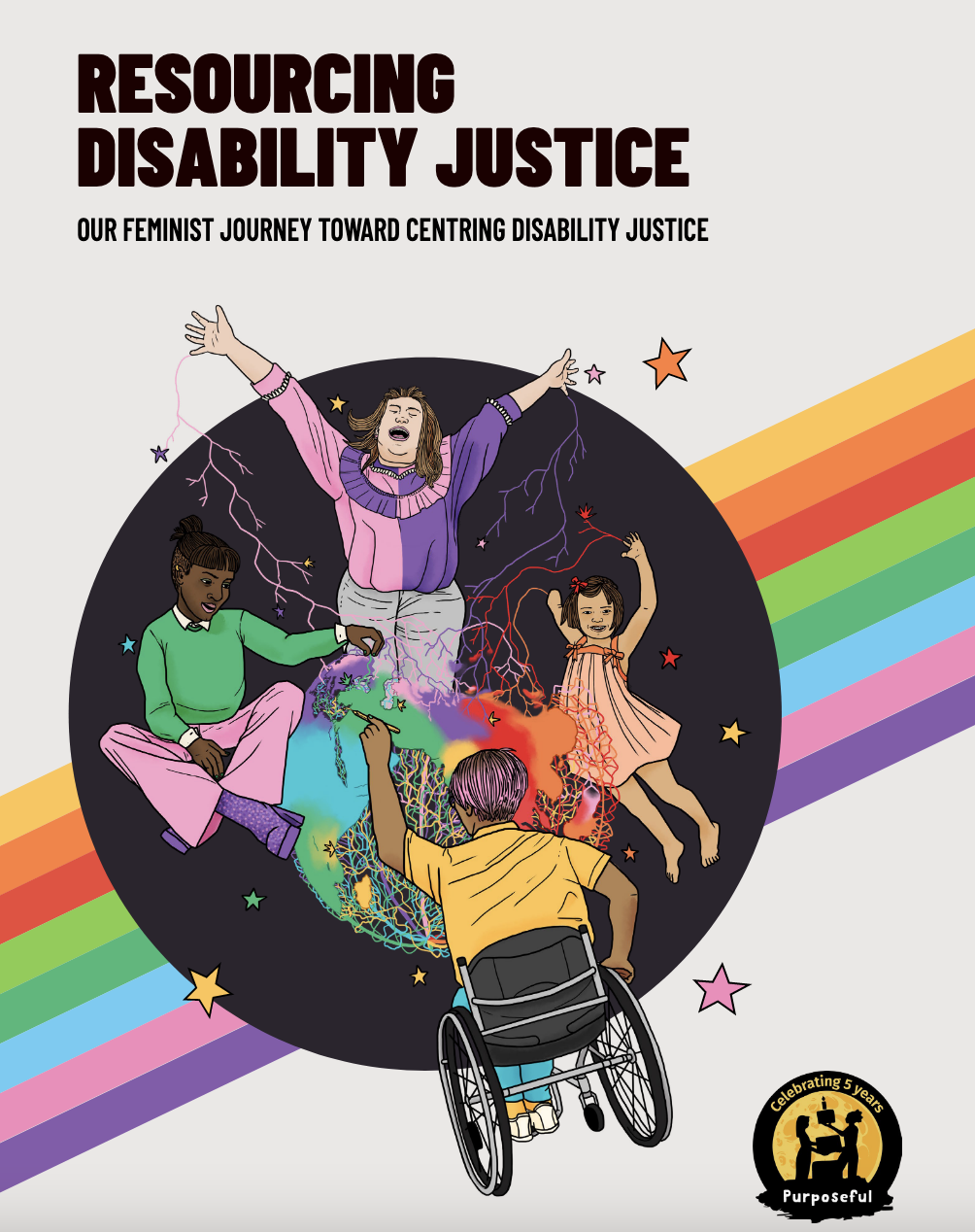
RESOURCING DISABILITY JUSTICE: OUR FEMINIST JOURNEY TOWARD CENTRING DISABILITY JUSTICE
In this report, we reflect with honesty about OUR FEMINIST JOURNEY TOWARD CENTRING DISABILITY JUSTICE in our resourcing, offering insights into the Disability Rights and Justice work we have resourced through our Funds.

Participatory Strategy Minisite
A platform for candid, constructive exchange around grantmaking practices and hold each other accountable to be more inclusive, equitable, and effective grantmakers.

Guardians of the Forests – Financing for climate resilience
Lessons learned about providing financial and other support directly to traditional and local communitie

Advancing Human Rights: Foundation Funding for Human Rights Defenders
In this briefing, which HRFN developed for the 2022 Dublin Platform for Human Rights Defenders, we present analysis on foundation funding for human rights defenders (HRDs) within the human rights funding landscape.

Feminist Humanitarian Response: an approach to dismantle the humanitarian-industrial complex
Woven through discussions and reflections from feminist organisations and activists responding to crisis, the Global Resilience Fund highlight the ineffective ways in which the humanitarian sector is working. And, dive into a deeper exploration of the organizing principles of feminists& humanitarian response efforts and share some examples. Both offerings demonstrate how a feminist ecosystem approach, which has a track record of creating transformational change, can contribute to dismantling the humanitarian-industrial complex, and bring forth sustainable and systemic social change. With the ongoing urgent, compounding, and interconnected crises we are facing across the world, this is a call to action we cannot afford to ignore.
